Our Story · Since 1848
The Original Mill
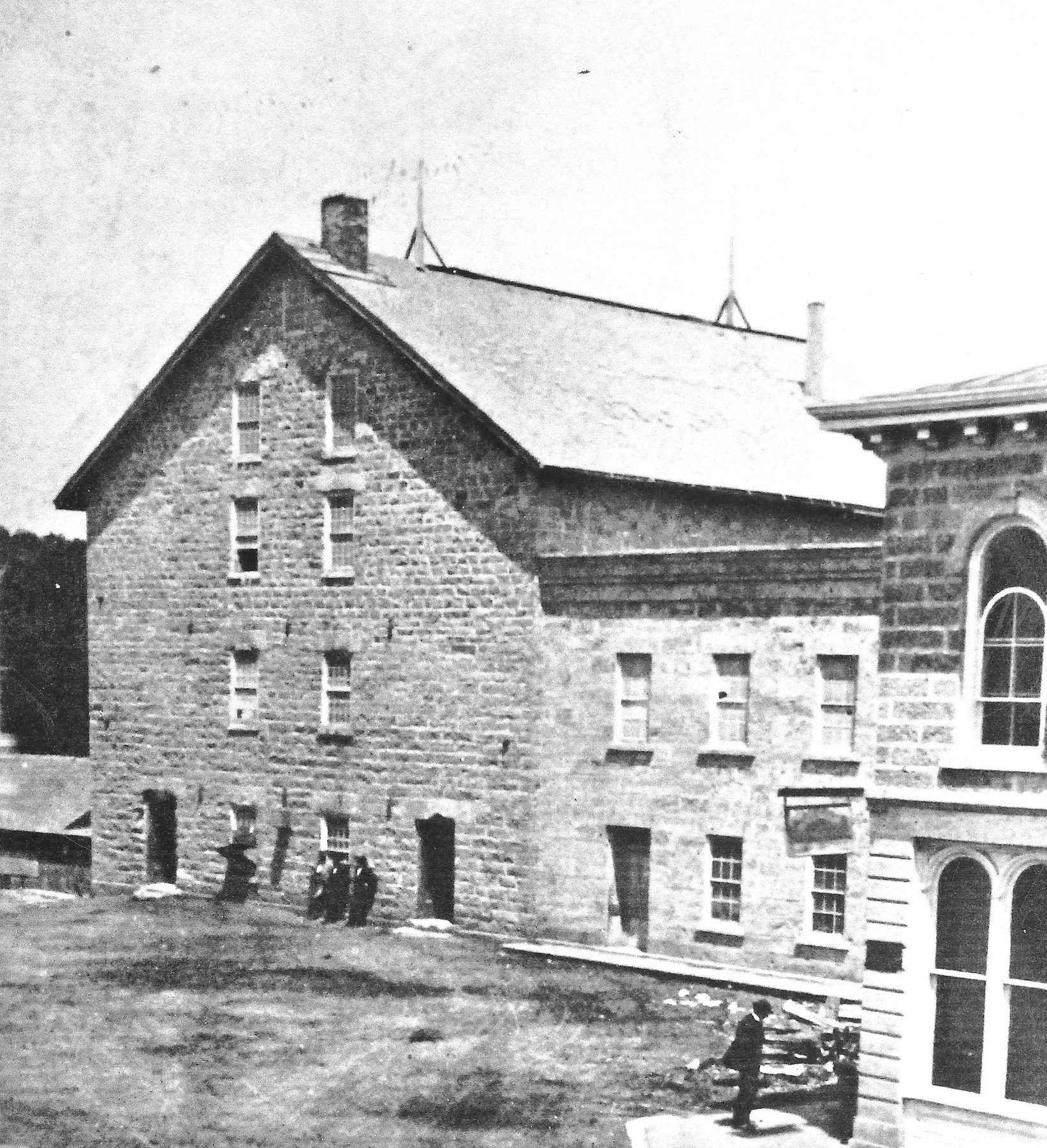
Construction on Elkader’s great stone mill began in 1847, and by 1848 parts of it were already at work. When it was finished in 1849, it was the largest mill west of the Mississippi. Farmers hauled wheat from as far as 60 miles away, and by 1872 it could turn out 300 barrels of flour a day.
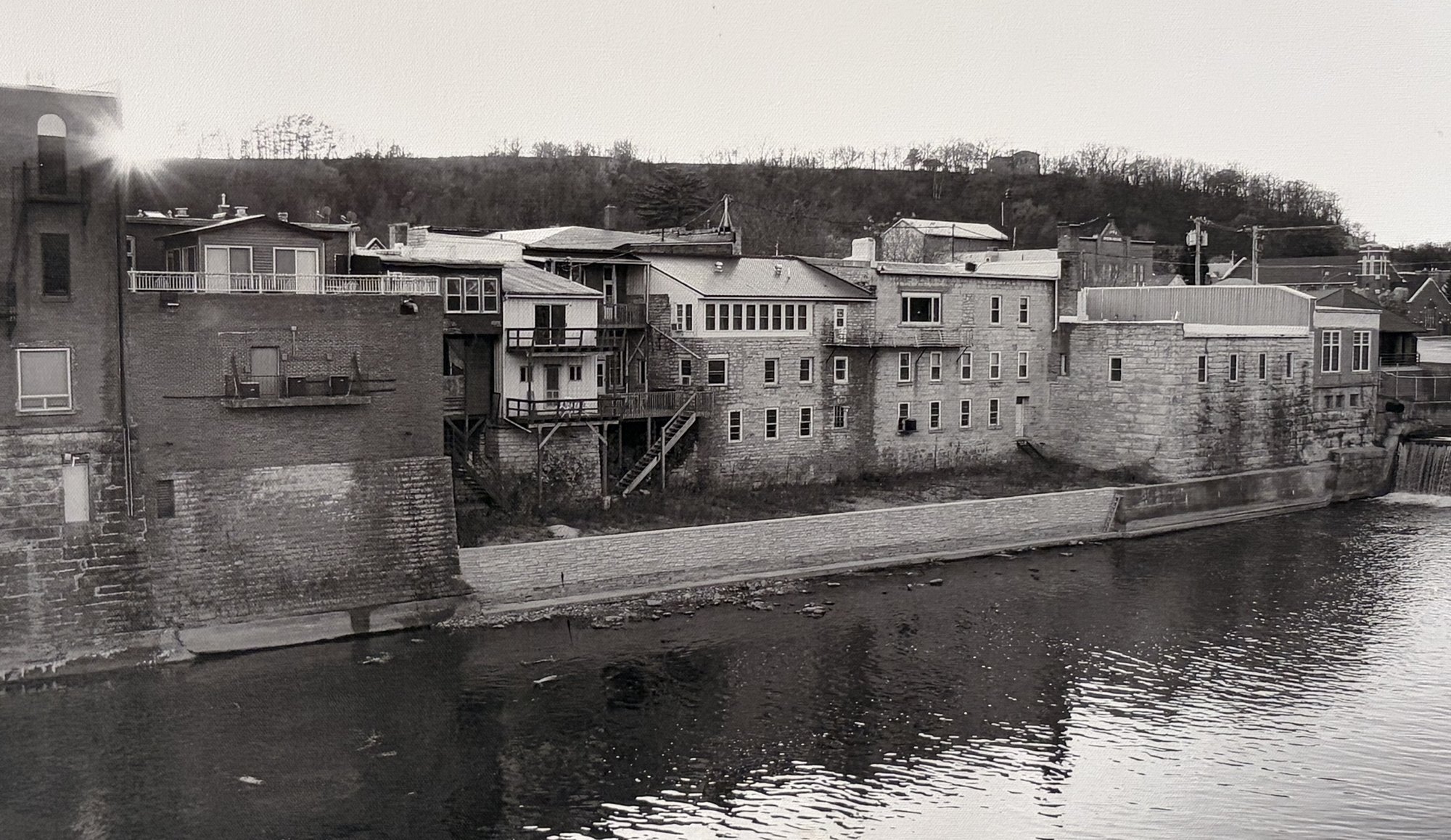
All that flour needed barrels. Our building was part of the original Mill, which had a large warehouse and a cooperage, where the barrels were built. The exposed walls you see inside Suite B are the same limestone that was laid in the 1840s.
The water wheel is gone now, but our building still stands on the Turkey River. We call it the Elkader Mill on Main.
Meet your hosts
Too charming to walk away from
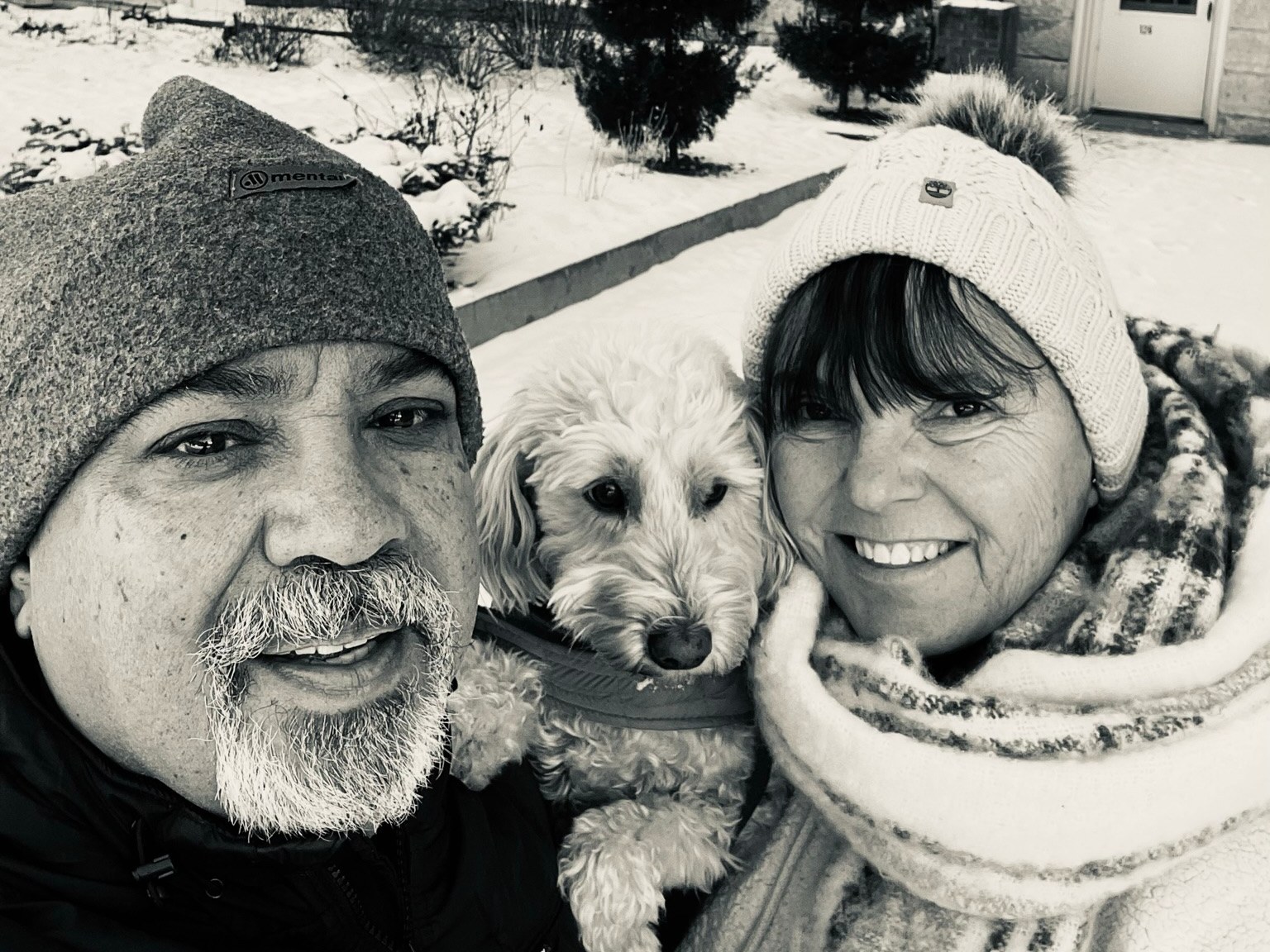
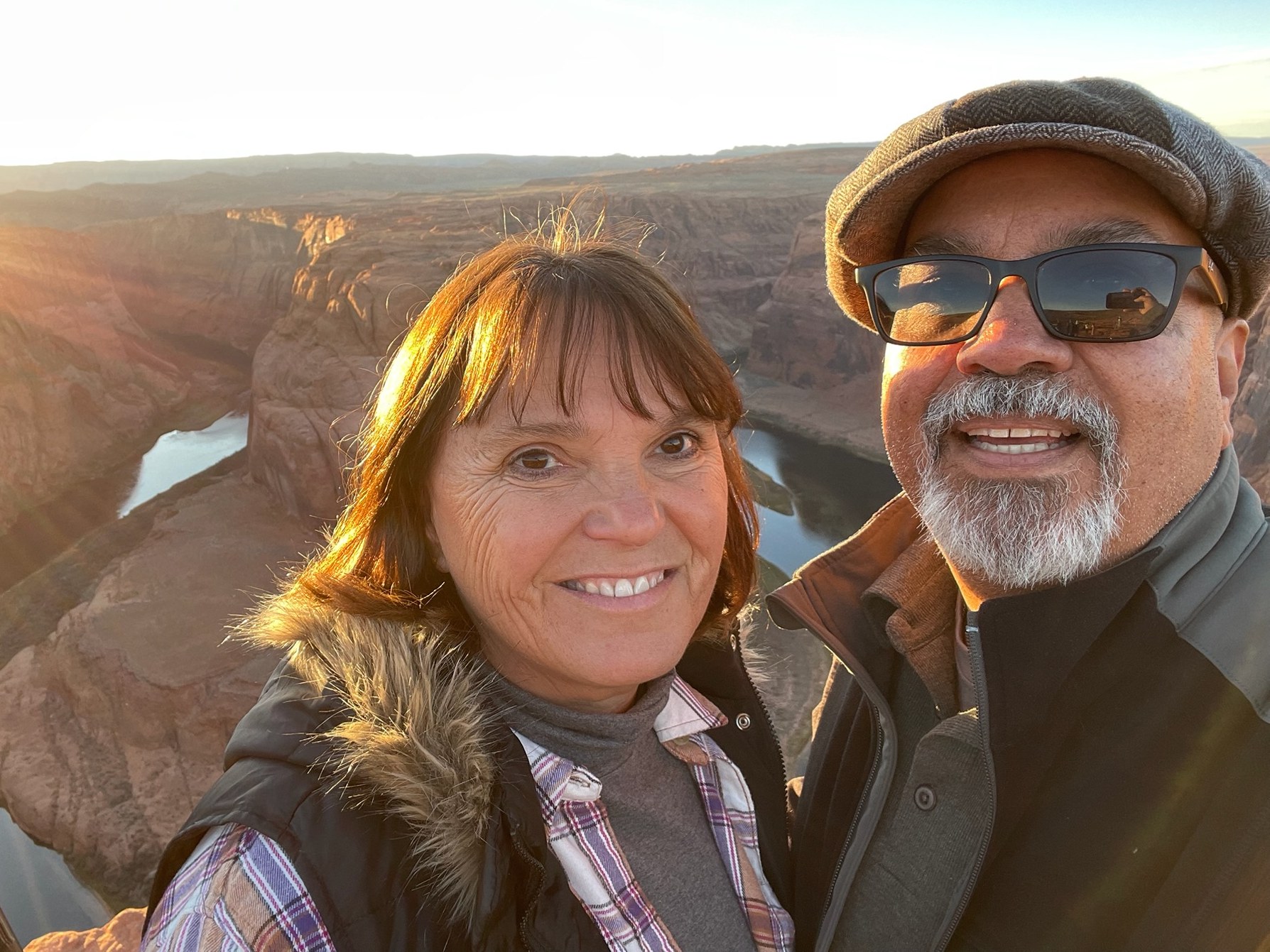
In 2021, after retiring from teaching, Nancy Smelter felt the pull to come home to Iowa, close to her siblings and the family farm. She and her husband were in Elkader for a family reunion when they came across the Mill on Main, and they found it too charming to walk away from.
In 2022 they bought the building and renovated the three suites, keeping the old limestone and adding the comforts that make a stay easy.
Through the years
1847–1849
Construction of the stone mill begins on the Turkey River in 1847. By 1849 it is complete: the largest mill west of the Mississippi, with farmers bringing wheat from 60 miles away.
1866–1872
Business is so good that a large storage addition is built in 1866. By 1872 the Elkader Journal calls L.V. Davis’s mill “the most important institution in our place,” turning out 300 barrels of flour a day.
1878
The cooper shop is contracted to build 14,000 barrels for flour.
1880
The Schmidt brothers buy the mill. A month later, a flood damages the river wall and the back of the building. They rebuild.
1908
On May 22, fire guts the mill. It is rebuilt, but it never mills flour again, only feed for local farms.
1944
Doc Hommel buys the building and makes it his home and office.
2005
The building begins a new life as a riverside guest retreat.
2022
Nancy and her husband buy the building, renovate the suites and reopen them as The Mill on Main.
Today
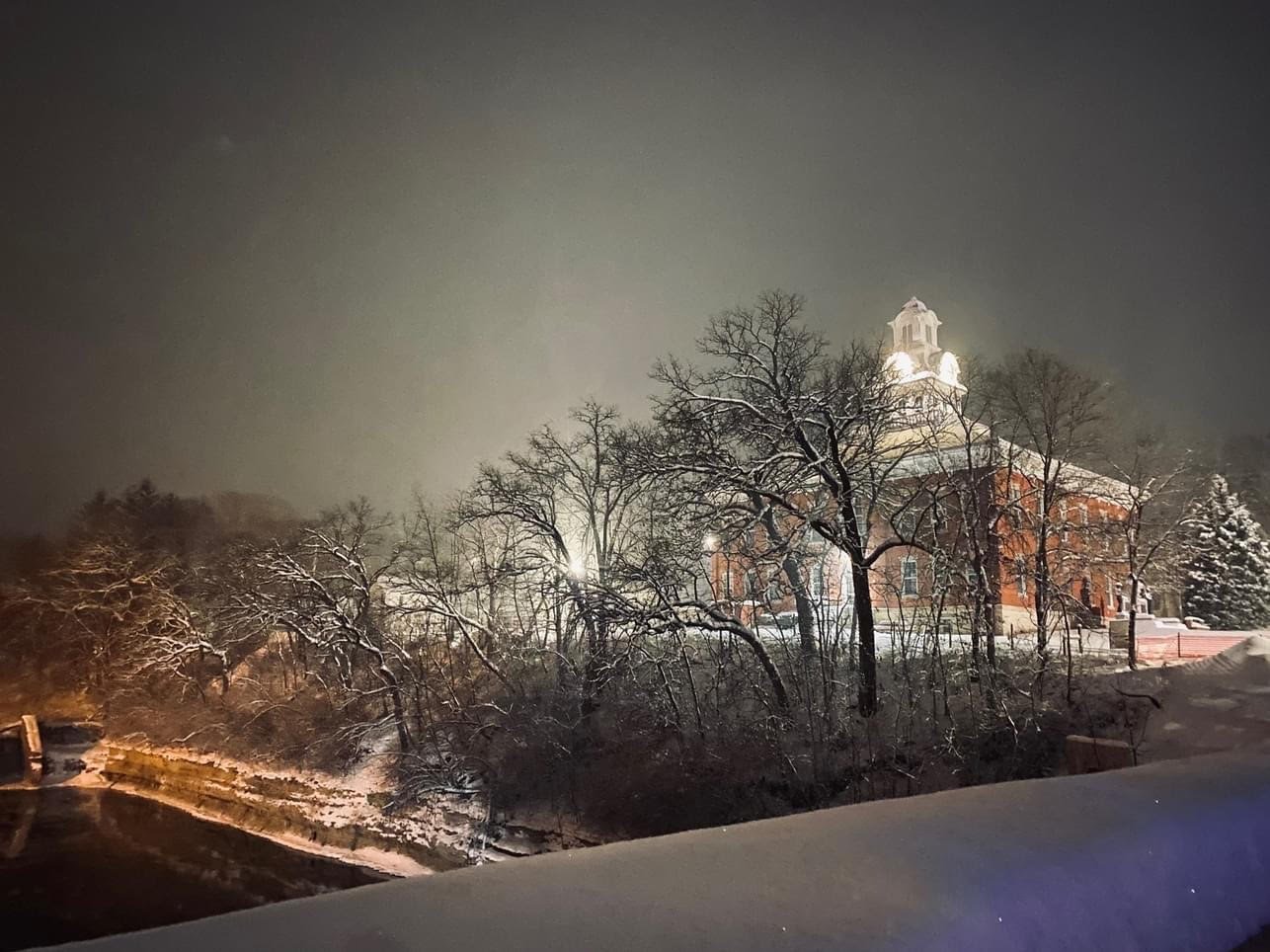
Having survived fires and floods, the Mill welcomes guests to three suites on the river and the Keystone Bridge.
Then & now
The mill survived floods and fires. The water wheel is gone, but our limestone building still stands. We kept what makes it special and added modern comforts around it.
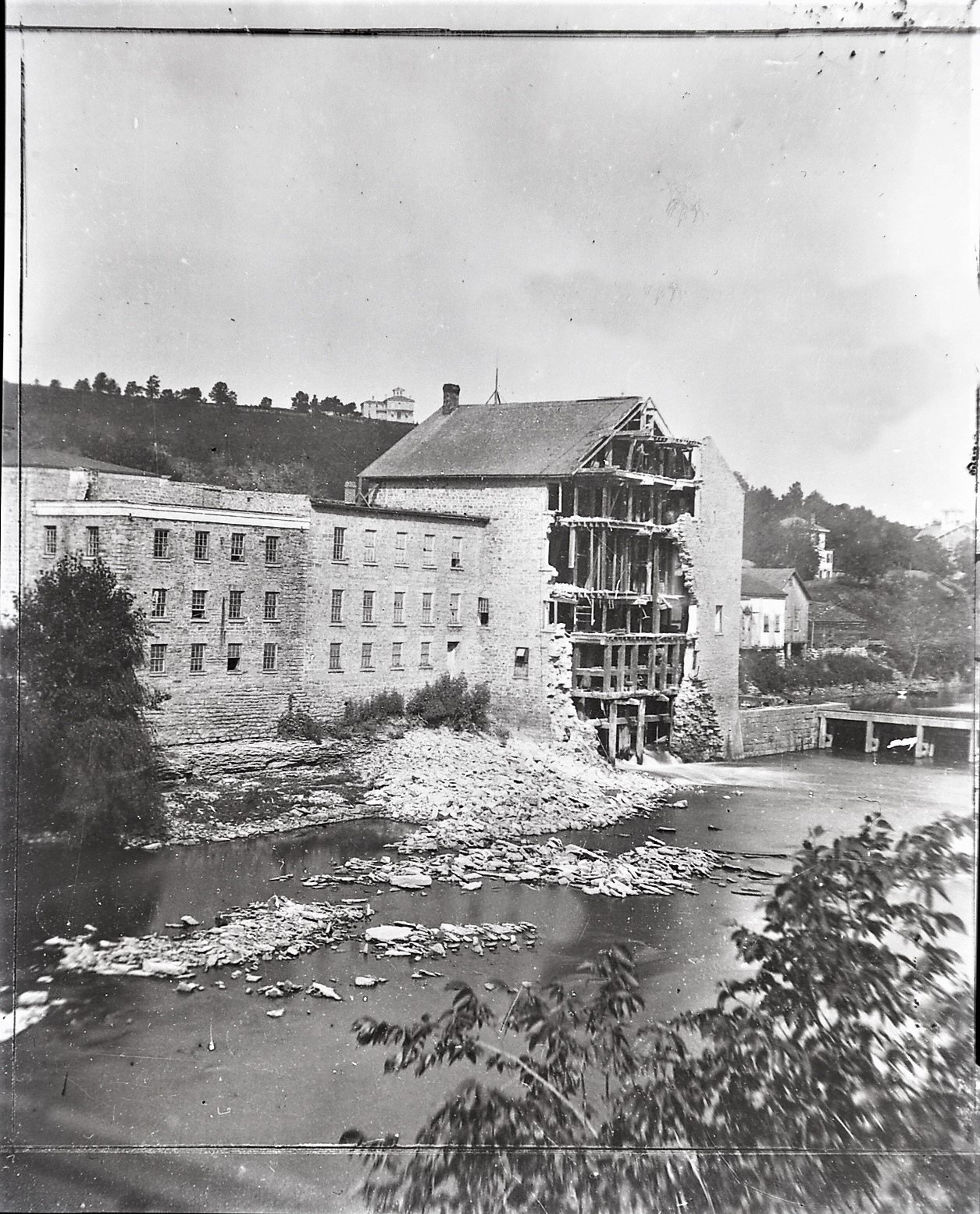
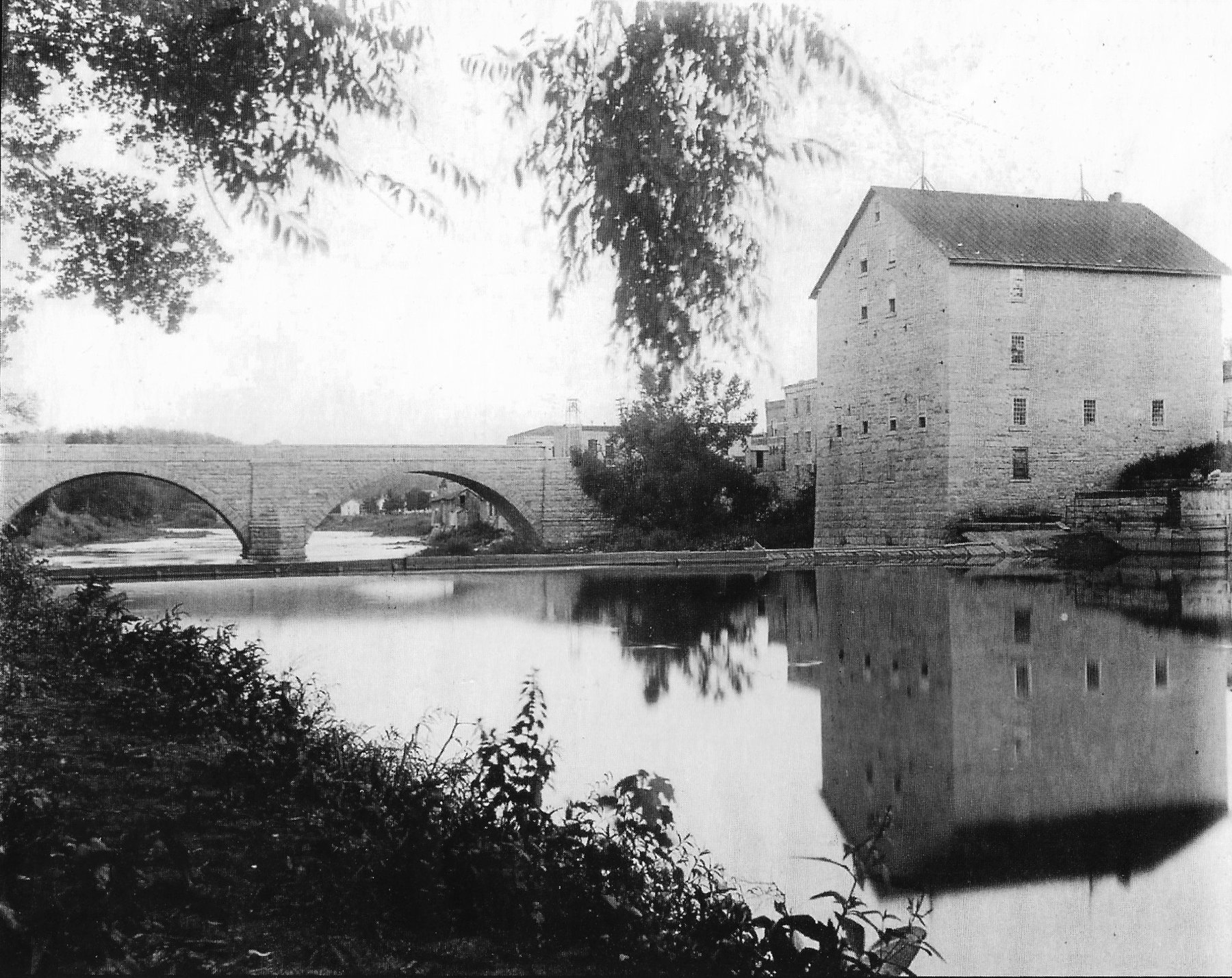
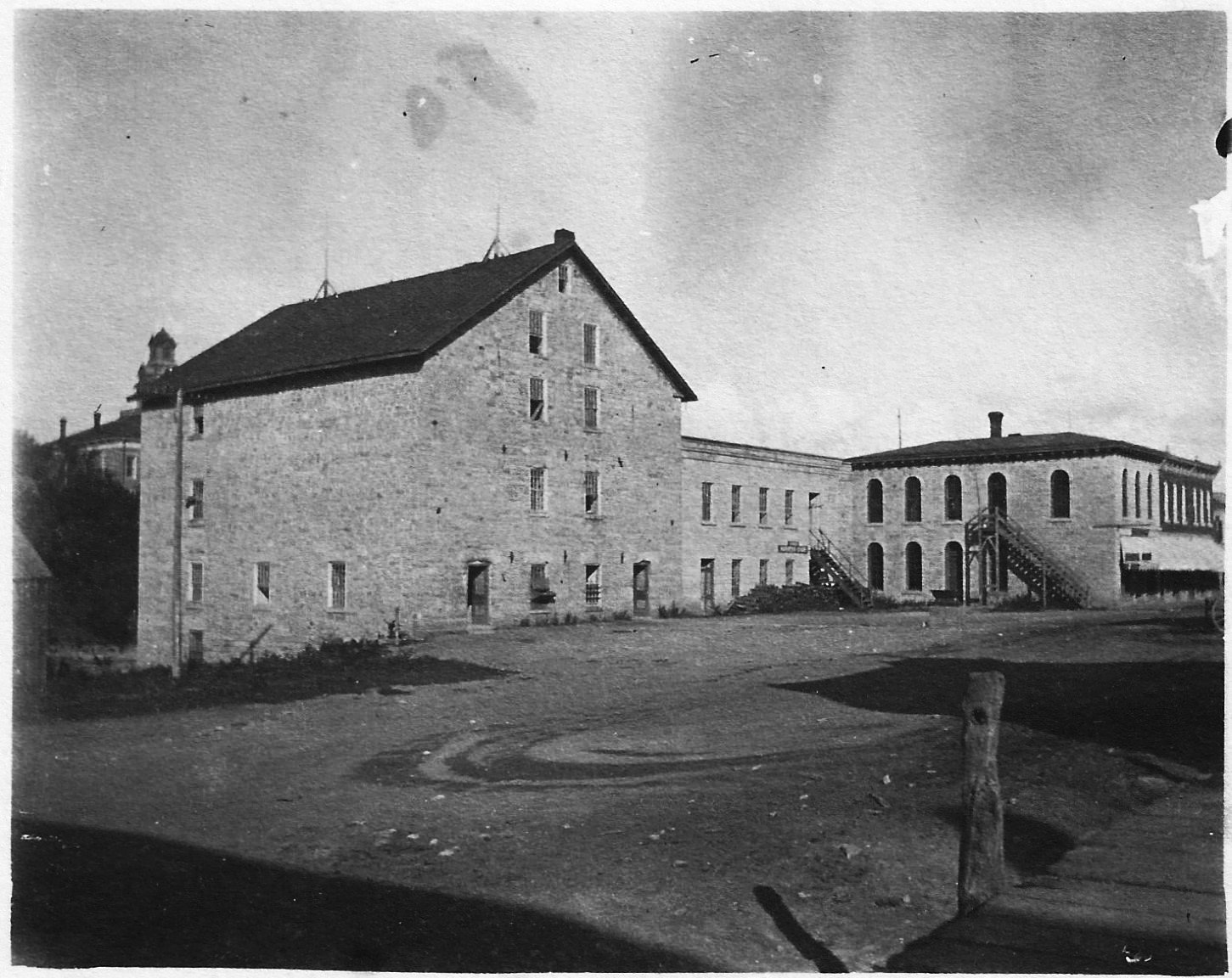
Historic photos courtesy of the Elkader Historical Society.
With thanks to the Elkader Historical Society
The mission of the Elkader Historical Society is to both preserve a record of local history and to promote the public’s interest in the area’s past. The Carter House Museum, which the Society oversees, acts as a vehicle to house and preserve historical artifacts and archives. Events, exhibits, and tours at the museum are scheduled to promote awareness and appreciation of the times which preceded our own.